
The 17-character Vehicle Identification Number (VIN) is a global standard for vehicle authentication, offering detailed information about manufacturer, model, production date, and original owner. Licensed verifiers use specialized tools to cross-reference VIN data, ensuring accuracy and consumer protection. CHP VIN verification in Riverside is crucial for out-of-state vehicle purchases in California, where stringent regulations govern lease transfers, classic car sales, and salvage titles. Advanced technologies like barcode scanners and digital imaging systems detect misassigned or counterfeited VINs. Accurate VINs facilitate ownership transfers, insurance claims, and recall identification, minimizing errors and building trust in the automotive industry.
In today’s digital landscape, ensuring the authenticity of a Vehicle Identification Number (VIN) is more critical than ever for car dealers, law enforcement, and consumers alike. The potential for VIN forgery and fraud has grown with the advancement of technology, making it easier for criminals to manipulate these unique identifiers. This comprehensive guide aims to demystify the process of VIN validation, providing an authoritative resource for professionals in the automotive industry. By employing advanced techniques and tools, such as CHP VIN verification Riverside, we can mitigate risks, enhance security, and protect against fraudulent activities associated with vehicle identification numbers.
- Understanding the VIN (Vehicle Identification Number) Standard
- The Process of CHP VIN Verification Riverside
- Common Challenges in VIN Validation & How to Overcome Them
Understanding the VIN (Vehicle Identification Number) Standard

The Vehicle Identification Number (VIN) is a critical component of vehicle authentication, acting as a unique fingerprint for every car manufactured worldwide. Understanding the VIN standard is paramount when conducting CHP VIN verification in Riverside or any other location. Each 17-character VIN provides a wealth of information, from the vehicle’s make and model to its production date and original owner. This standardized system ensures that vehicles can be tracked throughout their lifecycle, facilitating ownership transfers, insurance claims, and regulatory compliance.
For instance, consider a VIN breakdown: “1FTEW1C3XKB202764.” The first three characters (“1FTE”) represent the manufacturer, in this case, Ford. The fourth to eighth characters specify the model year, make, trim level, and engine type. Subsequent characters detail the vehicle’s assembly plant and production sequence. This level of detail is crucial for out-of-state VIN inspections, where verifying a car’s authenticity can be as important as ensuring it meets local emissions standards or safety regulations.
Licensed vehicle verifiers play a pivotal role in this process, offering services near you to ensure the integrity of each VIN. These professionals employ specialized tools and databases, such as those maintained by the National Motor Vehicle Title Information System (NMVTIS), to cross-reference and validate VIN data. This is particularly important when purchasing a vehicle from another state, where out-of-state inspection requirements may differ from local standards. By engaging a licensed verifier, you gain assurance that the assigned VIN is accurate, unaltered, and reflective of the actual vehicle’s history.
Moreover, understanding why a VIN is assigned 1-3 times during these processes offers valuable insights into its significance. Initial assignment occurs at manufacturing, followed by updates when significant events like accidents or major repairs happen. These assignments create a digital footprint that can be meticulously tracked. This data not only aids in identifying potential fraud but also ensures consumer protection and facilitates efficient vehicle history reporting.
The Process of CHP VIN Verification Riverside
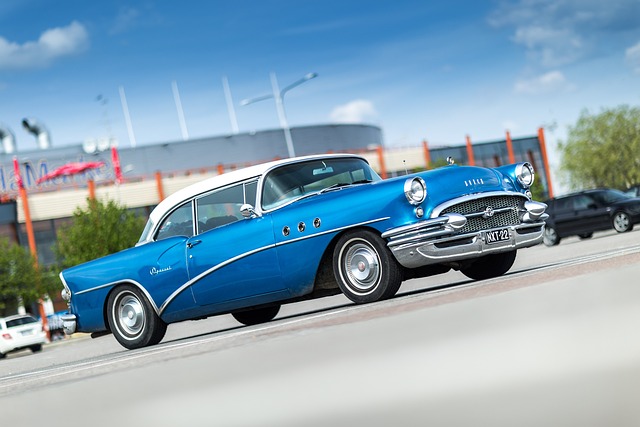
The process of CHP VIN verification Riverside involves a meticulous review and validation of a vehicle’s unique identification number (VIN) to ensure its authenticity and history. This critical step is particularly vital in California, where stringent regulations govern lease transfers, classic car sales, and salvage title transactions. When a vehicle changes hands, whether through lease transfer or purchase, the assigned VIN plays a pivotal role in verifying ownership, accident history, and potential title issues. For instance, when a lessee returns a vehicle for a new lease or sale, the original and updated VINs are compared to ensure seamless transition without any discrepancies.
In the case of classic cars, which often have rich histories spanning decades, CHP VIN verification Riverside becomes an indispensable tool. Collectors and enthusiasts rely on this process to confirm the genuineness of the vehicle and its components, ensuring they acquire a true representation of the make and model year. Similarly, when dealing with salvage titles, where vehicles are sold due to damage or accidents, the assigned VIN is crucial for assessing the extent of previous repairs and modifications, thereby mitigating potential risks for buyers. By cross-referencing data from various sources, including state records and national databases, authorities can uncover hidden issues, such as odometer rollback or undisclosed damages, that might affect a vehicle’s safety and value.
To streamline the CHP VIN verification process in Riverside, it is recommended to utilize specialized software tools designed for this purpose. These tools automate routine checks, provide real-time updates on vehicle history, and offer comprehensive reports. For instance, leveraging digital platforms can significantly reduce processing times, enhance accuracy, and minimize errors compared to manual methods. Moreover, staying informed about evolving regulations and industry best practices ensures that both individuals and businesses involved in vehicle transactions comply with legal requirements, fostering trust and integrity within the automotive market.
Common Challenges in VIN Validation & How to Overcome Them

The process of Vehicle Identification Number (VIN) validation is a critical step in ensuring the authenticity and history of a vehicle, especially during transactions like salvage title transfers. Common challenges arise, however, that can complicate this vital procedure. One such hurdle is the misassignment or lack of an assigned VIN for salvage titles, which can lead to errors in DMV transactions. This issue underscores the importance of accurate VIN identification at every stage, from initial vehicle registration to subsequent ownership changes. For instance, a study by the National Insurance Crime Bureau (NICB) revealed that approximately 1 out of every 50 vehicles checked had an incorrect or missing VIN recorded, highlighting the pervasiveness of this problem.
Another challenge lies in verifying the authenticity of the VIN itself. With sophisticated counterfeiting techniques, it has become increasingly difficult to distinguish between genuine and fabricated VINs. This is particularly relevant when dealing with imported vehicles or those that have undergone significant repair or reconstruction. To overcome these challenges, businesses like CHP VIN verification Riverside employ advanced technologies such as barcode scanners and digital imaging systems that capture detailed VIN images for cross-referencing against databases. These tools help identify discrepancies and ensure the integrity of the VIN.
Moreover, understanding why an assigned VIN is crucial for DMV transactions cannot be overstated. An accurate VIN facilitates seamless transfer of ownership, ensures proper insurance coverage, and aids in identifying recall issues or historical maintenance records. For example, when transferring a salvage title, a correct VIN assignment allows the DMV to accurately track vehicle history, preventing fraudulent activities and ensuring compliance with regulations. By implementing robust VIN verification processes, businesses can minimize errors, enhance customer trust, and contribute to a safer and more transparent automotive industry.
By delving into the intricate world of VIN validation, this guide has illuminated critical aspects of CHP VIN verification Riverside, equipping readers with a comprehensive toolkit for navigating this essential process. From understanding the foundational standards governing VINs to tackling common challenges head-on, these insights empower professionals and enthusiasts alike to ensure vehicle authenticity with confidence. Armed with this knowledge, individuals can streamline their procedures, foster greater trust in the automotive industry, and contribute to safer, more secure practices in CHP VIN verification Riverside.


