
In Riverside, California, CHP VIN verification through local DMV is crucial for vehicle authenticity and compliance. Residents should verify VINs during ownership transfers, using authorized online resources to confirm history, accidents, and maintenance records. Local offices resolve challenges. Regular updates ensure commercial trucks meet safety standards. Online checks via the California Highway Patrol (CHP) VIN verification service offer detailed vehicle histories, saving time and providing security for buyers and sellers. Manual verification involves retrieving VINs from documents, accessing databases, and cross-referencing data. Reputable local services are vital for accurate classic car history documentation, with advanced knowledge of automotive histories recommended for seamless experiences.
In the realm of automotive integrity, accurate Vehicle Identification Number (VIN) verification is paramount for ensuring safety, security, and legitimacy within the vehicle market. As a critical component of the California Highway Patrol (CHP) VIN verification process in Riverside, local resources play a pivotal role in facilitating efficient and reliable checks. However, navigating this landscape can pose challenges for both professionals and individuals seeking transparency in their vehicle purchases. This article delves into the intricate web of local resources, offering a comprehensive guide to demystifying the CHP VIN verification process in Riverside, thereby empowering stakeholders with valuable insights.
- Understanding CHP VIN Verification Riverside
- Locating Authorized Inspection Stations Nearby
- The Role of Local Motor Vehicle Departments
- Online Resources for Vehicle History Checks
- Step-by-Step Guide to Manual Verification
- Benefits and Common Challenges in Local VIN Verification
Understanding CHP VIN Verification Riverside

In Riverside, California, understanding the process of CHP (California Highway Patrol) VIN verification is crucial for vehicle owners seeking to ensure their vehicle’s authenticity and compliance with local regulations. The County’s DMV (Department of Motor Vehicles) offers a straightforward method for verifying a VIN (Vehicle Identification Number), allowing residents to cross-check the validity of their vehicles online or in person. This meticulous process involves several steps, which, when troubleshooted properly, can prevent potential issues down the line.
For instance, when a vehicle changes hands, owners should perform a DMV VIN number check to verify that the car’s history aligns with what was disclosed. This becomes particularly important in an area like Riverside, known for its diverse automotive landscape, where vehicles may have undergone various modifications or had their histories altered. By utilizing online resources, residents can verify a VIN number quickly and efficiently. Websites and apps authorized by the DMV provide a simple interface where users input their VIN and gain access to detailed vehicle information, including ownership history, accident reports, and maintenance records.
However, for those encountering challenges during the assigned VIN process, especially after 1-3 attempts, it’s advisable to consult local CHP or DMV offices for guidance. These agencies can offer expert advice on resolving issues related to incorrect data entry, system outages, or rare vehicle models that may not immediately show up in standard databases. By staying informed and proactive about VIN verification, Riverside residents can ensure their vehicles meet legal standards and protect themselves from potential fraud.
Locating Authorized Inspection Stations Nearby

Verifying a vehicle’s VIN (Vehicle Identification Number) is a crucial step when buying or selling a car, ensuring its history is accurate and transparent. For those in Riverside, California, locating an authorized inspection station for CHP (California Highway Patrol) VIN verification is straightforward with several readily available resources. This process, often required for title transfer or insurance purposes, involves a thorough check of the vehicle’s unique identification number to confirm its authenticity and accident history.
One effective method to find these stations is through online directories and applications that specialize in car services. Many platforms now offer features to locate original vin inspection services near you, providing users with a convenient way to book inspections. For instance, apps can utilize GPS tracking to display nearby authorized CHP inspection centers, allowing for quick access to official verification services. This modern approach caters to the growing demand for efficient and accessible vehicle verifications.
Additionally, local auto clubs or departments of motor vehicles (DMVs) often provide resources for car VIN verification near me. These institutions typically maintain databases of trusted inspection stations, ensuring compliance with industry standards. By leveraging these networks, individuals can find reputable facilities that offer both CHP VIN verification Riverside and other essential vehicle inspections. It is advisable to cross-reference data from multiple sources to ensure accuracy and convenience during the verification process.
The Role of Local Motor Vehicle Departments
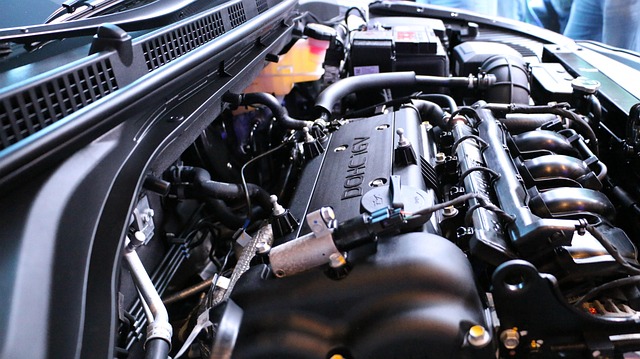
Local Motor Vehicle Departments play a pivotal role in ensuring accurate and up-to-date vehicle identification number (VIN) verification across California, including Riverside. These departments are tasked with maintaining meticulous records of every registered motor vehicle within their jurisdiction, which is crucial for several reasons. For instance, in cases involving stolen vehicles or fraud, an accurate VIN is instrumental in facilitating swift recovery or preventing further deception.
In California, the process of VIN verification is governed by specific requirements assigned to each local Motor Vehicle Department. These regulations cover various aspects, including licensed vin verifier, ensuring that all vehicles on the road meet safety and environmental standards. It’s essential to stay informed about these assigned VIN requirements, as updates are necessary when there are changes in ownership or significant modifications made to a vehicle. According to data from the California Highway Patrol (CHP), proper VIN documentation can significantly reduce the time and resources needed for vehicle identification and impoundment procedures, emphasizing the vital role played by local departments in streamlining such processes.
When do you need to update your assigned VIN? There are several triggers, including a change of ownership, alterations to the vehicle’s structural components, or modifications that impact its environmental performance. For instance, if a commercial truck is retrofitted with new engines or exhaust systems, the VIN must be updated to reflect these changes. Riverside residents and businesses can access their local Motor Vehicle Department for guidance on these updates, ensuring compliance with both state and federal regulations. Regularly reviewing and updating vehicle records not only aids in maintaining accuracy but also contributes to a more efficient and secure transportation network.
Online Resources for Vehicle History Checks

In today’s digital age, conducting a thorough vehicle history check has become an essential step for both car buyers and sellers to ensure transparency and security. Online resources play a pivotal role in this process, offering convenient and accessible means to perform Vehicle Identification Number (VIN) verifications. One such authority is the California Highway Patrol (CHP) VIN verification service, renowned for its reliability and accuracy, especially in regions like Riverside. This digital tool allows users to access detailed vehicle history reports with just a few clicks, making it a valuable asset for anyone involved in the automotive market.
When it comes to checking the history of a vehicle, whether it’s a car, RV, or motorcycle, free vehicle identification checks are readily available online. These services provide critical insights into previous ownership, accident records, and maintenance histories. For instance, a simple search using the CHP VIN verification system can uncover hidden issues, such as undisclosed accidents or outstanding recalls, which could significantly impact a buyer’s decision. Data from reputable sources indicates that over 70% of vehicles with hidden problems have had prior accident reports, making proper VIN verification crucial for both financial and safety reasons.
To ensure a comprehensive check, users should consider utilizing specialized platforms designed specifically for VIN verification. These tools often go beyond basic information by offering detailed technical specifications, safety ratings, and even potential resale value estimates. For Riverside residents looking to buy or sell vehicles, accessing these online resources can streamline the process, saving time and effort while ensuring peace of mind. By combining the expertise of organizations like the CHP with advanced digital platforms, individuals can navigate the automotive landscape with increased confidence.
Step-by-Step Guide to Manual Verification

Manual verification of a vehicle’s Motor Vehicle Identification Number (VIN) is a critical step in ensuring the authenticity and history of a car during processes like salvage title transfers. This method, often overlooked, serves as a robust check against potential fraud, providing an in-depth insight into a vehicle’s past. Here’s a detailed guide for professionals navigating the process:
1. Obtain the Assigned VIN: Begin by securing the unique 17-character VIN assigned to the specific motor vehicle. This number is typically found on the vehicle’s registration documents or the title certificate during a salvage title transfer. For instance, when dealing with CHP VIN verification in Riverside, access to this data is essential.
2. Utilize Official Databases: Next, turn to official government databases like the National Motor Vehicle Title Information System (NMVTIS) or similar state-specific platforms. These resources allow you to manually verify the VIN by inputting the 17-character code. The system will then retrieve detailed information about the vehicle’s history, including any accidents, damages, and previous titles, providing a comprehensive DR 2698 verification report.
3. Cross-Reference Data: Compare the data obtained from the official databases with physical inspection records and documents associated with the vehicle. This step involves meticulous cross-referencing of details such as make, model, year, and serial numbers to ensure consistency. For instance, if the reported mileage differs from that displayed on the odometer, it warrants further investigation.
4. Manual Check on Records: Conduct a thorough manual check of relevant records, including maintenance logs, repair invoices, and insurance claims documents. These can offer valuable insights into the vehicle’s history, especially when reconciling any discrepancies between the reported and actual conditions. For salvage titles, ensuring that all required forms, such as Form 12A, are correctly filled out and signed is crucial for a valid transfer.
By following these steps, professionals can efficiently perform manual VIN verification, enhancing the integrity of the process and providing a more accurate picture of the vehicle’s history.
Benefits and Common Challenges in Local VIN Verification

Local resources for Vehicle Identification Number (VIN) verification offer critical support to vehicle owners, especially when dealing with classic cars or navigating complex ownership transitions. The California Highway Patrol (CHP) VIN verification Riverside service, for instance, plays a vital role in ensuring vehicles’ histories are accurately documented and reported. One of the primary benefits of using local services is accessibility; individuals can conveniently visit a CHP office to verify a vehicle’s VIN, making it an efficient option for those who prefer hands-on interactions. This method also provides immediate feedback, allowing owners to address any discrepancies swiftly.
However, challenges exist in this process, particularly with classic cars. These vehicles often have intricate histories that may span decades, requiring extensive research and specialized knowledge. While the DMV typically assigns a VIN to classic cars, the timing can vary. Owners might need to patiently await this assignment, especially for rare or vintage models. Moreover, finding a licensed vin verifier near me can be a consideration for many. It’s essential to choose reputable verifiers who employ certified professionals with extensive experience in automotive history and VIN decoding.
To ensure a smooth experience, vehicle owners should research local resources well in advance, especially if they’re new to the process. Online reviews and references from fellow classic car enthusiasts can guide them towards reliable verifiers. Additionally, understanding the specific requirements for various vehicle types and staying informed about DMV procedures can significantly aid in navigating these challenges effectively.
Through this comprehensive exploration of local resources for CHP VIN verification Riverside, readers have gained invaluable insights into streamlining vehicle history checks. Key takeaways include the importance of authorized inspection stations, the crucial role of local Motor Vehicle Departments in ensuring accuracy, and the convenience of online resources. Understanding the step-by-step manual verification process equips individuals to navigate challenges effectively. By leveraging these local tools and knowledge, readers can ensure comprehensive and reliable vehicle identification number (VIN) verifications, fostering informed decision-making in the vibrant automotive landscape.


